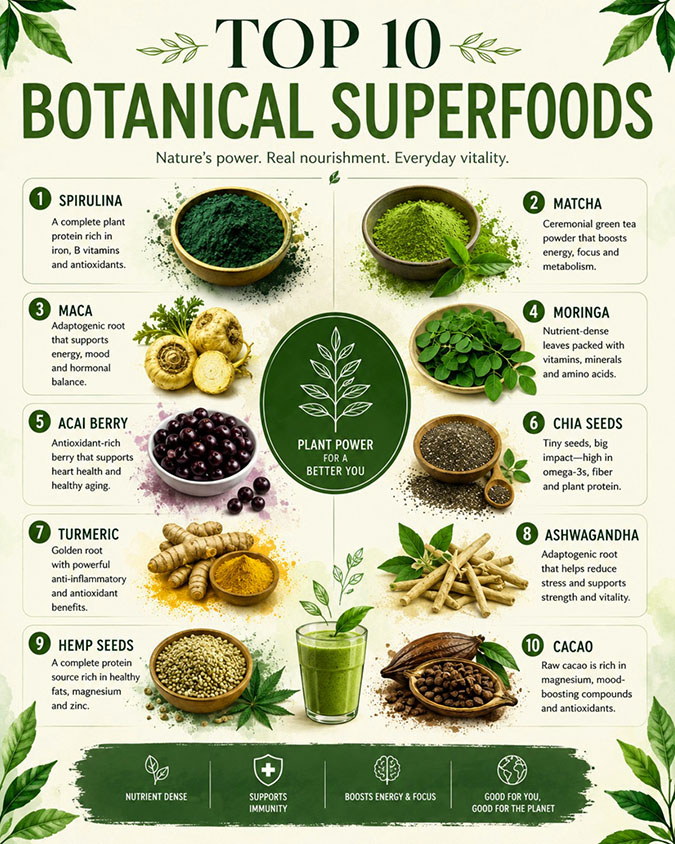
Top 10 Botanical Superfoods Driving the Multi-Billion Dollar Health Industry
The global wellness industry has transformed dramatically over the last decade. Consumers are no longer satisfied with processed supplements and synthetic health products alone. Instead, millions of people are turning toward plant-based nutrition, functional foods, and natural remedies rooted in centuries of traditional medicine. This shift has fueled a booming market for botanical superfoods — nutrient-dense plants celebrated for their powerful health benefits.
From antioxidant-rich berries to medicinal roots and algae packed with protein, botanical superfoods are now central to the multi-billion dollar health and wellness economy. They appear in smoothies, capsules, protein powders, teas, skincare formulas, and even sports nutrition products. Health-conscious consumers are driving demand for clean-label ingredients that support immunity, energy, longevity, digestion, and mental performance.
Below are ten of the most influential botanical superfoods shaping the future of modern health industries worldwide.
1. Turmeric


6
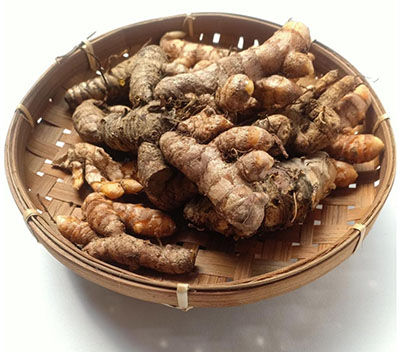
Turmeric has become one of the most commercially successful botanical ingredients in the wellness sector. Native to South Asia, this golden-yellow root contains curcumin, a compound widely studied for its anti-inflammatory and antioxidant properties.
The popularity of turmeric exploded as consumers began searching for natural alternatives to support joint health, exercise recovery, and immune function. Today, turmeric appears in dietary supplements, herbal teas, energy drinks, wellness shots, and cosmetic products.
Golden milk beverages and turmeric-infused snacks have become staples in health food stores worldwide. Many athletes and fitness enthusiasts also incorporate turmeric into recovery routines because of its perceived ability to reduce inflammation after intense workouts.
The growing scientific interest surrounding curcumin continues to strengthen turmeric’s position as a leading botanical superfood in global markets.
2. Moringa

4
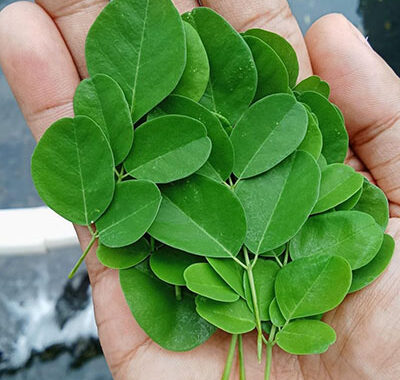
Often referred to as the “miracle tree,” moringa is gaining enormous popularity due to its impressive nutritional profile. Its leaves contain vitamins A and C, calcium, potassium, iron, and plant protein.
Moringa has traditionally been used in parts of Africa and Asia for nutritional support, but modern health industries now market it as a powerful green superfood. Consumers appreciate moringa because it aligns with several modern trends simultaneously: plant-based nutrition, sustainability, and natural energy support.
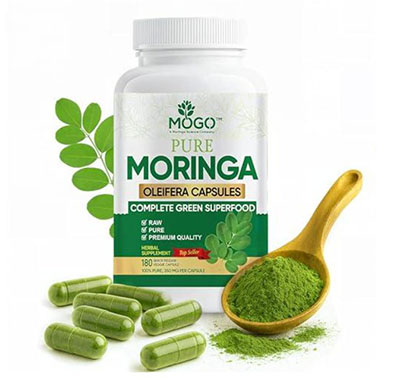
Moringa powders are commonly blended into smoothies, protein drinks, and wellness supplements. The ingredient is especially attractive to vegan consumers seeking nutrient-rich alternatives to animal-based products.
As interest in sustainable agriculture grows, moringa cultivation is also expanding because the plant thrives in dry climates and requires relatively low agricultural input.
3. Ashwagandha


5
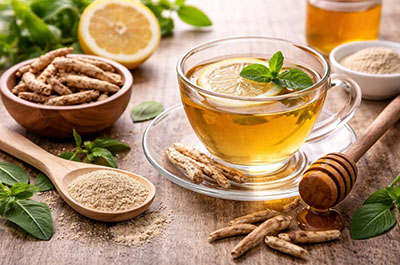
Ashwagandha has emerged as one of the most important adaptogenic herbs in the global wellness market. Adaptogens are botanical substances believed to help the body manage stress and maintain balance.
Traditionally used in Ayurvedic medicine, ashwagandha is now commonly found in stress-relief supplements, sleep formulas, nootropic products, and functional beverages. Modern consumers are increasingly focused on mental wellness, and ashwagandha benefits from this growing demand.
The herb is frequently promoted for supporting relaxation, reducing fatigue, and enhancing cognitive performance. Wellness companies often combine it with magnesium, mushrooms, or herbal extracts to create products targeting anxiety and burnout.
The rise of remote work culture and increasing awareness of mental health have significantly contributed to ashwagandha’s commercial success.
4. Spirulina


6
Spirulina is a blue-green algae considered one of the most nutrient-dense foods on Earth. It contains high levels of protein, iron, B vitamins, and antioxidants.
Health-conscious consumers often use spirulina as a plant-based protein source, especially in vegan and vegetarian diets. Its intense nutritional concentration has made it popular among athletes, fitness enthusiasts, and biohacking communities.
Spirulina is widely used in powders, capsules, detox blends, and energy products. It also serves as a natural food coloring ingredient in health-focused snacks and beverages.
As interest in sustainable protein sources increases globally, algae-based nutrition is expected to play a much larger role in future food systems. Spirulina’s efficient production methods make it attractive from both environmental and economic perspectives.
5. Matcha


5
Matcha is a finely ground green tea powder that has become a global wellness phenomenon. Originally central to Japanese tea ceremonies, matcha is now widely consumed in cafés, bakeries, and health-focused food brands.
Unlike ordinary green tea, matcha involves consuming the entire tea leaf in powdered form, resulting in higher concentrations of antioxidants and naturally occurring caffeine.
Consumers are drawn to matcha because it provides steady energy without the sharp crash associated with many sugary energy drinks. It is also strongly associated with mindfulness, productivity, and modern wellness culture.
Today, matcha appears in smoothies, desserts, protein bars, skincare products, and premium beverages. Social media trends have further accelerated its popularity among younger consumers.
6. Maca Root


7
Native to the Andes Mountains of Peru, maca root has gained global recognition for its reputation as a natural energy and vitality booster.
Maca is rich in plant compounds, minerals, and amino acids. Many consumers use it to support stamina, hormone balance, and physical endurance. It has become particularly popular within sports nutrition and natural wellness communities.
The earthy flavor of maca makes it a common ingredient in smoothies, coffee alternatives, protein powders, and functional snacks. Wellness brands often market maca as a natural substitute for synthetic performance enhancers.
Its ancient cultural heritage and association with traditional Andean nutrition also contribute to its strong branding appeal in modern markets.
7. Elderberry


6
Elderberry has become one of the most recognizable immune-support botanicals worldwide. The dark purple berries are rich in antioxidants and flavonoids, which contribute to their health-promoting reputation.
Demand for elderberry products surged dramatically during periods of increased public interest in immune health. Syrups, gummies, lozenges, and herbal teas containing elderberry became mainstream wellness products.
Consumers are increasingly drawn toward preventative health solutions, and elderberry fits perfectly into this trend. Its pleasant flavor also makes it easy for manufacturers to include in functional foods and beverages.
The botanical supplement market continues to benefit from rising awareness about natural approaches to seasonal wellness support.
8. Chia Seeds


8
Chia seeds may be small, but they are nutritionally powerful. Rich in fiber, omega-3 fatty acids, protein, and minerals, chia seeds have become essential ingredients in health-focused diets.
The versatility of chia is one of its greatest commercial advantages. Consumers add them to yogurt, smoothies, oatmeal, baked goods, and hydration drinks.
Because chia absorbs liquid and forms a gel-like texture, it is commonly used in vegan recipes as an egg replacement. This adaptability has increased its popularity within plant-based food industries.
Chia also appeals to consumers seeking simple, minimally processed foods with recognizable ingredients.
9. Ginseng


6
Ginseng has long been respected in traditional Asian medicine and remains one of the most commercially valuable herbal ingredients globally.
It is widely associated with energy, focus, and vitality. Many functional beverages and energy supplements include ginseng as a natural stimulant alternative.
As consumers become more cautious about excessive caffeine and artificial energy products, botanicals like ginseng are benefiting from increased demand. Modern wellness brands often combine ginseng with adaptogens and mushrooms to create premium performance-enhancing formulas.
Its long-standing medicinal reputation gives ginseng a strong level of consumer trust in both Eastern and Western markets.
10. Acai Berry


6
Acai berries became internationally famous through the smoothie bowl trend, but their success extends far beyond social media aesthetics.
Harvested primarily from the Amazon rainforest, acai berries contain antioxidants, healthy fats, and fiber. Their deep purple color and tropical origin create strong visual and marketing appeal.
Acai products dominate sections of the frozen smoothie and superfood market. Fitness enthusiasts and wellness influencers frequently promote acai bowls as nutrient-rich meal options.
The ingredient’s popularity has also helped fuel broader interest in Amazonian botanicals and exotic superfoods from biodiversity-rich regions.
The Future of Botanical Superfoods
The botanical superfood industry shows no signs of slowing down. Several major trends are driving continued growth, including plant-based eating, preventative healthcare, clean-label products, and sustainable agriculture.
Consumers increasingly want foods that deliver more than basic nutrition. They are seeking ingredients that support mental clarity, immunity, longevity, gut health, athletic performance, and emotional well-being. Botanical superfoods perfectly align with these evolving expectations.
Technology is also reshaping the industry. Advanced extraction methods, personalized nutrition platforms, and scientific research are helping companies develop highly targeted wellness products based on botanical ingredients.
At the same time, social media continues to amplify awareness of superfoods worldwide. Platforms featuring wellness influencers, nutrition experts, and fitness creators rapidly introduce consumers to emerging botanical trends.
However, the industry also faces challenges. Quality control, sustainability concerns, and misleading marketing claims remain important issues. As demand grows, consumers are becoming more educated and selective about sourcing transparency and scientific credibility.
Despite these challenges, botanical superfoods remain one of the most profitable and influential sectors within the global wellness economy. From ancient herbal traditions to modern nutrition science, these powerful plants continue to shape the future of health, nutrition, and consumer lifestyles around the world.