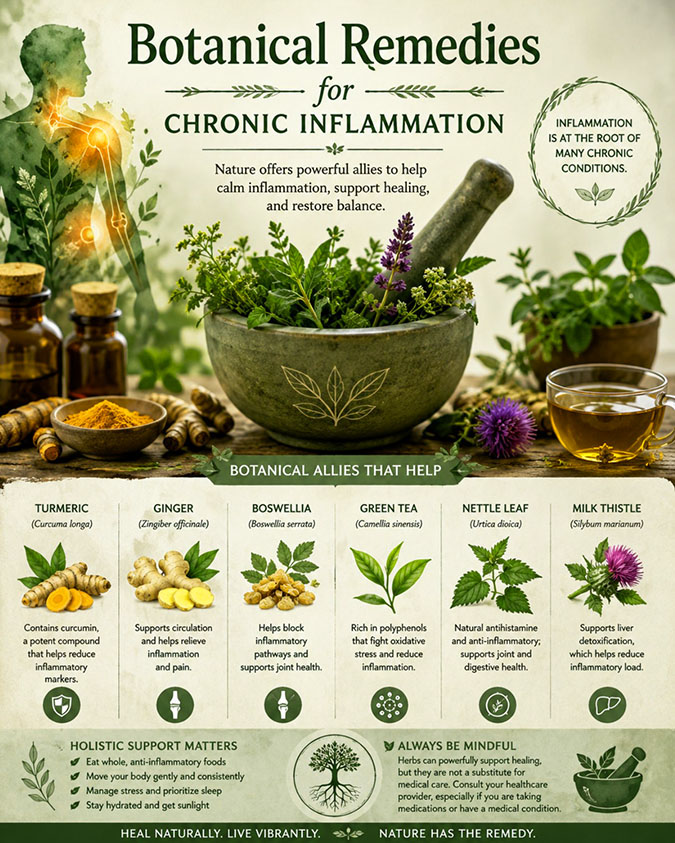
Botanical Remedies for Chronic Inflammation: A Complete Evidence-Based Guide
Chronic inflammation has become one of the most significant health concerns of the modern era. Unlike acute inflammation, which helps the body heal after injury or infection, chronic inflammation is a long-term immune response that may silently damage tissues and organs over time. Researchers have linked persistent inflammation to conditions such as heart disease, arthritis, diabetes, obesity, autoimmune disorders, and even certain cancers.
As interest in natural wellness continues to grow, botanical remedies are receiving increased scientific attention for their ability to help regulate inflammatory pathways. Many traditional herbs used for centuries in systems like Ayurveda, Traditional Chinese Medicine, and Indigenous healing practices are now being studied in clinical settings for their anti-inflammatory effects.
This guide explores the most evidence-based botanical remedies for chronic inflammation, how they work, and how to use them safely.
Understanding Chronic Inflammation
Inflammation is the body’s defense mechanism against harmful stimuli. During acute inflammation, immune cells release chemicals that protect tissues and initiate healing. However, when inflammation persists for months or years, it can become destructive rather than protective.
Common triggers of chronic inflammation include:
- Poor diet high in processed foods
- Chronic stress
- Lack of physical activity
- Environmental toxins
- Smoking and alcohol overuse
- Obesity
- Persistent infections
- Autoimmune disorders
Symptoms may include fatigue, joint pain, digestive discomfort, brain fog, skin problems, and recurring illness. Because chronic inflammation often develops gradually, many individuals remain unaware of it until more serious conditions emerge.
Botanical medicine offers a complementary approach that may help reduce inflammatory markers while supporting overall wellness.
1. Turmeric: The Golden Anti-Inflammatory Herb


5
Turmeric is among the most researched natural anti-inflammatory substances in the world. Its primary active compound, curcumin, has demonstrated the ability to influence multiple inflammatory pathways in the body.
Studies suggest that curcumin may inhibit NF-kB, a protein complex that plays a major role in chronic inflammatory responses. Researchers have investigated turmeric for conditions including arthritis, metabolic syndrome, inflammatory bowel disease, and cardiovascular disease.
Potential Benefits
- Reduces joint pain and stiffness
- Supports heart health
- May improve metabolic inflammation
- Provides antioxidant protection
Best Ways to Use Turmeric
- Golden milk
- Herbal teas
- Standardized curcumin supplements
- Cooking with black pepper to enhance absorption
Because curcumin has low bioavailability, combining it with piperine from black pepper may significantly improve absorption.
2. Ginger: A Powerful Root for Immune Balance


6
Ginger contains bioactive compounds called gingerols and shogaols, which possess strong anti-inflammatory and antioxidant properties.
Scientific studies have shown that ginger may reduce muscle pain, osteoarthritis symptoms, and inflammatory markers associated with metabolic disease. Some evidence also indicates that ginger supports digestive health and immune function.
How Ginger Works
Ginger appears to suppress inflammatory cytokines and oxidative stress, both of which contribute to chronic disease progression.
Common Uses
- Fresh ginger tea
- Smoothies
- Cooking spice
- Standardized extracts
Many people find ginger particularly useful for digestive inflammation and nausea-related conditions.
3. Boswellia: Ancient Resin with Modern Evidence


6
Boswellia serrata, commonly known as Indian frankincense, has been used in Ayurvedic medicine for centuries. Modern research suggests that boswellic acids may inhibit inflammatory enzymes known as 5-lipoxygenase.
This makes Boswellia particularly interesting for inflammatory conditions affecting the joints and digestive tract.
Evidence-Based Applications
- Osteoarthritis
- Rheumatoid arthritis
- Asthma-related inflammation
- Inflammatory bowel conditions
Some clinical trials have reported reduced pain and improved mobility in individuals using Boswellia supplements regularly.
4. Green Tea: Polyphenols for Cellular Protection


6
Green tea is rich in catechins, especially epigallocatechin gallate (EGCG), a compound widely studied for its antioxidant and anti-inflammatory properties.
Green tea may help reduce oxidative stress, support cardiovascular health, and improve metabolic function. Population studies often associate regular green tea consumption with lower rates of inflammatory disease.
Potential Advantages
- Supports brain function
- Helps protect blood vessels
- Assists metabolic health
- Provides gentle energy support
Consumption Tips
Drinking two to four cups daily is commonly recommended in wellness research, though caffeine sensitivity should be considered.
5. Ashwagandha: Stress and Inflammation Connection


5
Ashwagandha is classified as an adaptogen, meaning it may help the body adapt to stress. Since chronic stress strongly contributes to inflammatory activity, stress-reducing herbs may indirectly support inflammation control.
Research indicates that Ashwagandha may lower cortisol levels and reduce inflammatory biomarkers.
Reported Benefits
- Improved stress resilience
- Better sleep quality
- Reduced fatigue
- Support for immune balance
Ashwagandha is commonly available as powders, tinctures, and capsules.
6. Garlic: More Than a Culinary Ingredient


6
Garlic contains sulfur compounds such as allicin that may provide anti-inflammatory and antimicrobial effects.
Studies suggest garlic consumption may help improve cardiovascular health by supporting healthy cholesterol levels and reducing inflammatory stress in blood vessels.
Key Advantages
- Supports immune defense
- May help regulate blood pressure
- Provides antioxidant activity
- Supports heart health
Fresh garlic often contains more active compounds than heavily processed forms.
7. Rosemary: Aromatic Herb with Therapeutic Potential


6
Rosemary contains rosmarinic acid and carnosic acid, compounds known for antioxidant and anti-inflammatory effects.
Researchers are investigating rosemary for cognitive health, immune regulation, and neuroprotective properties.
Possible Uses
- Herbal tea
- Culinary seasoning
- Aromatherapy
- Extract supplements
Rosemary may be particularly valuable for individuals seeking brain-supportive botanical compounds.
Lifestyle Factors That Enhance Botanical Remedies
Herbs work best when combined with healthy lifestyle habits. Chronic inflammation rarely results from a single cause, which means comprehensive strategies tend to produce the best outcomes.
Anti-Inflammatory Nutrition
Focus on:
- Vegetables and fruits
- Omega-3-rich foods
- Whole grains
- Nuts and seeds
- Lean proteins
Reduce:
- Refined sugar
- Ultra-processed foods
- Excess alcohol
- Trans fats
Sleep and Recovery
Poor sleep significantly increases inflammatory activity. Aim for seven to nine hours of quality sleep each night.
Physical Activity
Moderate exercise helps regulate immune responses and improve circulation. Walking, strength training, yoga, and swimming are all beneficial.
Stress Management
Meditation, breathing exercises, and mindfulness practices may reduce inflammation by lowering stress hormone levels.
Safety Considerations and Potential Interactions
Although botanical remedies are natural, they are not automatically risk-free. Some herbs may interact with medications or underlying medical conditions.
Important Precautions
- Turmeric and ginger may affect blood clotting
- Garlic may interact with blood thinners
- Ashwagandha may not be suitable for certain thyroid conditions
- Herbal supplements vary greatly in quality
Always choose products from reputable manufacturers that provide third-party testing.
Individuals who are pregnant, breastfeeding, immunocompromised, or taking prescription medications should consult a healthcare professional before beginning herbal supplementation.
The Future of Botanical Medicine
Interest in plant-based therapies continues to expand as researchers investigate the relationship between chronic inflammation and long-term disease. Advances in phytochemistry and clinical nutrition are helping scientists better understand how botanical compounds influence immune signaling, oxidative stress, and cellular repair.
While no single herb can cure chronic inflammatory disease, many botanicals may provide meaningful support when integrated into a broader wellness strategy. Combining evidence-based herbal remedies with healthy lifestyle practices may help individuals improve resilience, reduce inflammatory burden, and support long-term vitality.
Final Thoughts
Botanical remedies offer a fascinating bridge between traditional healing wisdom and modern scientific research. Herbs such as turmeric, ginger, Boswellia, green tea, Ashwagandha, garlic, and rosemary each provide unique compounds that may help regulate inflammatory pathways naturally.
The most effective approach to chronic inflammation is usually holistic rather than isolated. Nutrition, movement, sleep, stress management, and carefully selected botanical therapies can work together to support immune balance and overall health.
As scientific understanding grows, botanical medicine is increasingly becoming an important component of integrative healthcare and preventive wellness.