Botanical Origins of Essential Oils: Which Ones Deliver the Best ROI for Wellness?
The global wellness industry has experienced explosive growth over the last decade, and essential oils have become one of its most profitable and recognizable segments. From aromatherapy diffusers in homes to spa treatments, skincare products, and natural remedies, consumers increasingly seek plant-based solutions for physical and emotional well-being. Yet not all essential oils are created equal. Their effectiveness, market demand, production costs, and therapeutic value often depend on one critical factor: botanical origin.
Understanding the botanical origins of essential oils is essential for businesses, wellness brands, and consumers looking to maximize return on investment (ROI). Some oils offer exceptional therapeutic versatility and strong consumer demand, while others require high production costs that reduce profitability. Evaluating the best ROI means considering cultivation efficiency, extraction yield, wellness applications, consumer popularity, and long-term market sustainability.
What Are Essential Oils?
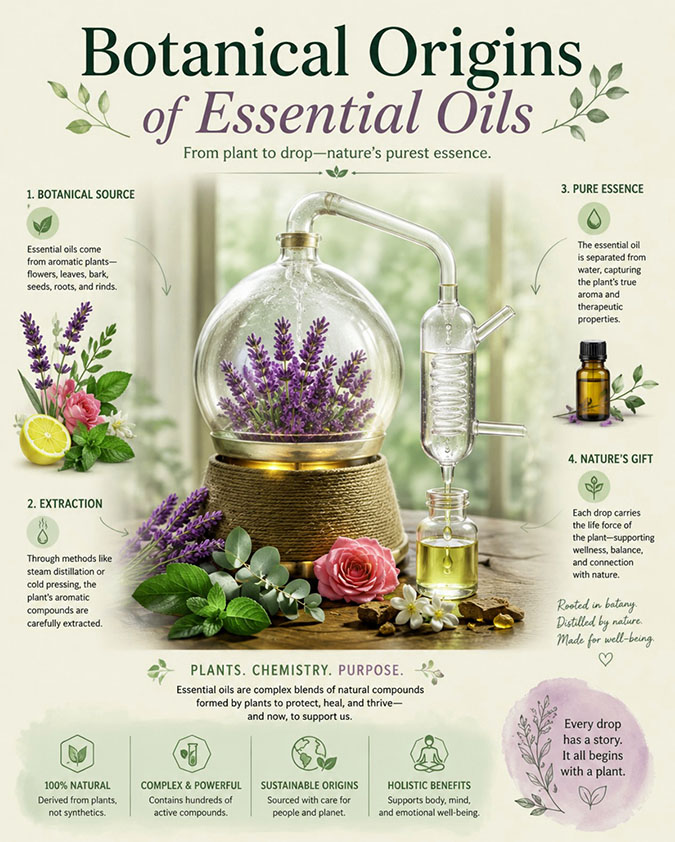
Essential oils are concentrated plant extracts obtained from flowers, leaves, bark, roots, seeds, or peels. They capture the aromatic compounds responsible for a plant’s fragrance and therapeutic properties. Most oils are extracted through steam distillation, though some citrus oils use cold pressing.
The botanical source of an oil significantly affects:
- Chemical composition
- Aroma quality
- Therapeutic benefits
- Production cost
- Market price
- Shelf stability
For wellness-focused businesses, these variables directly impact profitability and consumer satisfaction.
Why Botanical Origin Matters
Plants grown in different climates, soil conditions, and elevations often produce different chemical profiles. Lavender grown in France may contain higher concentrations of calming compounds compared to lavender cultivated elsewhere. Similarly, tea tree from Australia is widely regarded as superior because of its natural terpinen-4-ol content, the compound responsible for its antimicrobial effects.
Botanical origin also determines:
- Extraction yield per kilogram of plant material
- Farming sustainability
- Labor intensity
- Supply chain reliability
- Consumer trust and branding potential
Premium botanical origins often command higher prices because customers associate them with purity and effectiveness.
Lavender: The King of Wellness ROI
Lavender essential oil consistently delivers one of the best ROIs in the wellness market. Derived primarily from Lavandula angustifolia, lavender is widely used for stress relief, sleep support, skincare, and relaxation therapies.
Why Lavender Performs Well
- High global demand
- Broad therapeutic use
- Strong scientific backing
- Excellent blending compatibility
- Moderate cultivation costs
French and Bulgarian lavender are considered premium sources. Bulgarian lavender, in particular, has become increasingly popular due to its rich aroma and competitive pricing.
ROI Advantages
Lavender oil enjoys repeat customer purchases because it serves multiple wellness functions. Consumers use it in:
- Diffusers
- Massage oils
- Bath products
- Candles
- Sleep sprays
- Skincare formulations
This versatility creates strong recurring revenue opportunities for wellness brands.
Peppermint: High Demand with Efficient Production
Peppermint essential oil, extracted from Mentha piperita, is another top-performing oil in terms of profitability. It is valued for its cooling sensation, energizing aroma, and digestive support properties.
Key Benefits
- Relieves headaches
- Enhances focus
- Supports digestion
- Creates refreshing environments
Peppermint grows relatively quickly and offers a high oil yield compared to many botanicals. This efficient production contributes to attractive margins for manufacturers.
Commercial Strength
Peppermint is heavily used in:
- Wellness products
- Oral care
- Cosmetics
- Household cleaners
- Sports recovery products
Its broad industrial demand ensures stable market opportunities beyond aromatherapy alone.
Tea Tree Oil: Strong ROI Through Functional Wellness
Tea tree oil originates from Melaleuca alternifolia, native to Australia. It is prized for powerful antimicrobial and antifungal properties.
Why Tea Tree Is Profitable
Consumers increasingly prioritize natural solutions for skincare and hygiene. Tea tree oil is commonly used in:
- Acne treatments
- Scalp care
- Natural disinfectants
- Foot care products
- Anti-fungal formulations
Tea tree plantations are highly scalable, and modern distillation methods improve production efficiency.
Wellness Market Potential
As consumers shift away from synthetic chemicals, tea tree continues gaining popularity in “clean beauty” and natural household product sectors. This trend significantly boosts long-term ROI potential.
Eucalyptus: Affordable and Highly Scalable
Eucalyptus oil comes primarily from Eucalyptus globulus. It is among the most affordable essential oils to produce because eucalyptus trees grow rapidly and yield substantial oil volumes.
Primary Wellness Uses
- Respiratory support
- Muscle relief
- Air purification
- Mental clarity
ROI Strength
Low cultivation costs combined with high consumer demand make eucalyptus extremely profitable. Its widespread use in over-the-counter wellness products also creates consistent commercial demand.
For wellness brands seeking scalable products with healthy margins, eucalyptus remains a dependable choice.
Frankincense: Premium Pricing, Premium Margins
Frankincense oil, sourced from Boswellia trees, occupies the luxury end of the essential oil market. Historically prized in spiritual ceremonies and traditional medicine, frankincense now enjoys renewed popularity in modern wellness.
Why Consumers Love Frankincense
- Anti-aging skincare benefits
- Meditation enhancement
- Stress reduction
- Immune support
The ROI Challenge
Frankincense commands high retail prices due to limited supply and labor-intensive harvesting. Resin must be carefully tapped from trees, and environmental concerns affect production volumes.
However, premium pricing often compensates for these higher costs. Luxury wellness brands frequently use frankincense as a flagship ingredient because it elevates perceived product value.
Lemon Oil: Cost-Effective and Multi-Purpose
Lemon essential oil is extracted from citrus peels through cold pressing. It offers one of the most attractive production economics in the industry because citrus peels are often byproducts of the juice sector.
Commercial Advantages
- Low raw material costs
- Fresh, universally appealing aroma
- Strong demand in cleaning products
- Popular in energy and mood blends
Wellness Applications
Lemon oil supports:
- Mood enhancement
- Air purification
- Surface cleaning
- Immune-support blends
Because production costs remain relatively low, lemon oil often delivers impressive profit margins.
Rose Oil: High Value but Risky ROI
Rose essential oil, especially from Rosa damascena, is among the most expensive oils in the world. Thousands of rose petals are required to produce a tiny amount of oil.
Why It Commands Premium Prices
- Luxurious aroma
- Emotional wellness appeal
- Skincare prestige
- Romantic branding opportunities
ROI Reality
Although retail prices are extremely high, production expenses are equally significant. Harvesting requires extensive manual labor, and crop yields depend heavily on climate conditions.
Rose oil can deliver excellent margins for luxury niche brands but carries higher financial risk than scalable oils like peppermint or eucalyptus.
Chamomile: Niche Wellness with Loyal Customers
Chamomile essential oil is known for calming and anti-inflammatory effects. German chamomile and Roman chamomile are the two most commercially significant varieties.
Wellness Benefits
- Anxiety reduction
- Sleep support
- Sensitive skincare
- Digestive comfort
Chamomile attracts highly loyal wellness consumers, particularly parents and holistic health enthusiasts.
ROI Considerations
While production volumes are smaller, chamomile products often enjoy premium positioning. Brands focused on sleep wellness and natural family care frequently achieve strong customer retention with chamomile-based products.
Sustainability and Ethical Sourcing
ROI in today’s wellness market goes beyond short-term profits. Consumers increasingly care about sustainability, transparency, and ethical sourcing.
Essential oils associated with:
- Fair-trade farming
- Organic cultivation
- Sustainable harvesting
- Eco-friendly packaging
often command higher prices and stronger customer loyalty.
For example, sustainably harvested frankincense may achieve significantly better market positioning than cheaper, poorly sourced alternatives.
Brands that prioritize environmental responsibility can strengthen long-term profitability while building consumer trust.
Market Trends Influencing Essential Oil ROI
Several wellness trends continue shaping the profitability of essential oils:
1. Clean Beauty Movement
Consumers increasingly avoid synthetic ingredients, boosting demand for plant-based oils in skincare and cosmetics.
2. Home Wellness Expansion
Diffusers, candles, and home spa experiences continue growing in popularity, increasing essential oil consumption.
3. Stress and Sleep Support
Modern lifestyles drive demand for calming oils like lavender, chamomile, and sandalwood.
4. Natural Cleaning Products
Lemon, eucalyptus, and tea tree oils are increasingly used in eco-friendly household cleaners.
5. Personalized Aromatherapy
Consumers now seek customized blends tailored to mood, energy, and wellness goals.
These trends favor oils with versatile applications and strong scientific credibility.
Which Essential Oils Deliver the Best Overall ROI?
When balancing production cost, scalability, consumer demand, and wellness versatility, several oils consistently outperform others.
Best Overall ROI Leaders
Lavender
Offers unmatched versatility and broad market demand.
Peppermint
Efficient cultivation and widespread industrial use support stable profitability.
Tea Tree
Strong demand in clean beauty and natural wellness sectors.
Eucalyptus
Highly scalable with low production costs.
Lemon
Excellent margins due to inexpensive raw materials.
Premium High-Margin Oils
Frankincense
Luxury positioning supports premium pricing.
Rose
High-value niche product with prestige appeal.
Chamomile
Strong loyalty within specialized wellness markets.
Final Thoughts
The botanical origins of essential oils play a major role in determining both therapeutic value and financial performance. Oils derived from resilient, high-yield plants often provide the strongest ROI because they combine affordability with mass-market appeal. Lavender, peppermint, eucalyptus, tea tree, and lemon stand out as top performers due to scalability, versatility, and consistent consumer demand.
Meanwhile, luxury oils like frankincense and rose demonstrate that premium botanical origins can still generate exceptional profits when positioned strategically within high-end wellness markets.
As wellness consumers become more educated and selective, brands that prioritize authentic botanical sourcing, sustainability, and product transparency will likely achieve the greatest long-term success. In the evolving world of natural wellness, the most profitable essential oils are not simply the rarest or most expensive—they are the ones that effectively balance therapeutic benefits, ethical production, and consumer trust.