Here is a unique 1,200-word article in English:
How Botanical Compounds Are Used in Natural Medicines
For thousands of years, humans have relied on plants to promote health, prevent illness, and treat a wide range of medical conditions. Long before the development of modern pharmaceuticals, ancient civilizations used leaves, roots, flowers, bark, and seeds to create remedies for pain, infections, digestive problems, and other ailments. Today, scientific research continues to validate many of these traditional practices, revealing that plants contain powerful chemical substances known as botanical compounds. These naturally occurring compounds form the foundation of many natural medicines and continue to play an important role in healthcare worldwide.
Understanding Botanical Compounds
Botanical compounds are naturally produced chemicals found in plants. These substances help plants survive by protecting them against insects, pathogens, environmental stress, and herbivores. Interestingly, many of these compounds also interact with the human body in beneficial ways.
Scientists classify botanical compounds into several major categories, including alkaloids, flavonoids, terpenoids, polyphenols, glycosides, and tannins. Each group possesses unique biological properties that can influence human health.
For example, flavonoids found in fruits, vegetables, and herbs are known for their antioxidant effects. Alkaloids, which occur in plants such as poppies and cinchona trees, often have powerful physiological actions. Terpenoids contribute to the aroma and medicinal properties of many herbs and essential oils.
These compounds are the active ingredients responsible for the therapeutic effects of countless herbal remedies.
Historical Use of Plants in Medicine
The use of botanical compounds in medicine dates back thousands of years. Ancient Egyptian, Chinese, Indian, Greek, and Indigenous healing traditions all relied heavily on medicinal plants.
Traditional Chinese Medicine utilizes herbs such as ginseng and astragalus to support vitality and immune function. Ayurveda, the traditional medical system of India, employs turmeric, ashwagandha, and neem for various health purposes. Indigenous communities around the world have developed extensive knowledge of local medicinal plants through generations of observation and experience.
Many modern medicines have their origins in these traditional botanical practices. Researchers often study medicinal plants used historically to identify the compounds responsible for their therapeutic effects.
How Botanical Compounds Work in the Body
Botanical compounds exert their effects through various biological mechanisms. Some compounds reduce inflammation, while others combat oxidative stress, support immune responses, influence neurotransmitters, or inhibit harmful microorganisms.
Inflammation is a common target of many plant-derived substances. Chronic inflammation is associated with conditions such as arthritis, cardiovascular disease, diabetes, and certain cancers. Compounds like curcumin from turmeric and gingerols from ginger help modulate inflammatory pathways, potentially reducing inflammation throughout the body.
Antioxidant activity is another important mechanism. Free radicals can damage cells and contribute to aging and disease. Botanical compounds such as flavonoids, carotenoids, and polyphenols help neutralize these unstable molecules, protecting cellular structures from harm.
Some botanical compounds influence the nervous system. For instance, compounds found in valerian root and chamomile may promote relaxation and improve sleep quality by interacting with neurotransmitter systems.
Others exhibit antimicrobial properties, helping the body fight bacteria, viruses, fungi, and parasites.
Popular Botanical Compounds in Natural Medicine
Curcumin
Curcumin is the primary active compound in turmeric. It is widely recognized for its anti-inflammatory and antioxidant properties. Research suggests that curcumin may support joint health, cardiovascular function, and cognitive well-being. It has become one of the most extensively studied botanical compounds in modern science.
Ginsenosides
Ginsenosides are active compounds found in ginseng. These substances are believed to enhance energy, reduce fatigue, improve mental performance, and support immune function. Ginseng has been used for centuries in Asian medicine and remains a popular herbal supplement worldwide.
Resveratrol
Resveratrol is a polyphenol found in grapes, berries, and peanuts. It is known for its antioxidant effects and has attracted scientific interest for its potential role in supporting heart health and healthy aging.
Allicin
Allicin is produced when garlic is crushed or chopped. This sulfur-containing compound contributes to garlic’s distinctive smell and many of its medicinal benefits. Allicin has demonstrated antimicrobial, antioxidant, and cardiovascular-supporting properties.
Epigallocatechin Gallate (EGCG)
EGCG is a major catechin found in green tea. Researchers have studied its antioxidant activity, metabolic effects, and potential contribution to cardiovascular and brain health.
Botanical Medicines and Modern Pharmaceuticals
The relationship between botanical compounds and pharmaceutical medicine is closer than many people realize. Numerous prescription drugs were originally derived from plants.
Aspirin was developed from compounds found in willow bark. Quinine, used historically to treat malaria, comes from the bark of the cinchona tree. Morphine originates from the opium poppy, while digoxin is derived from foxglove plants.
These examples demonstrate how botanical compounds have served as valuable starting points for drug discovery. Scientists isolate active ingredients, study their mechanisms, and sometimes modify their structures to improve safety and effectiveness.
Even today, researchers continue exploring plants in search of novel therapeutic compounds that may lead to future medicines.
The Role of Herbal Extracts
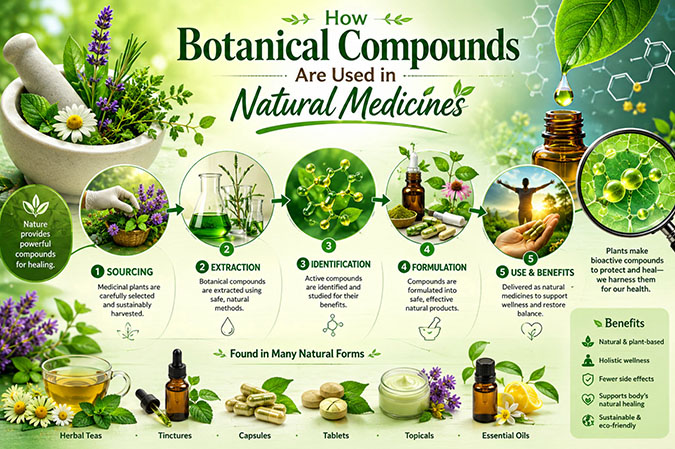
Natural medicines often use concentrated herbal extracts rather than whole plants. Extracts allow manufacturers to isolate and standardize specific botanical compounds, ensuring more consistent potency and quality.
Standardization is particularly important because the concentration of active compounds can vary depending on factors such as soil conditions, climate, harvesting methods, and plant genetics.
By standardizing extracts, manufacturers can provide products containing predictable amounts of active ingredients. This helps improve reliability and supports scientific evaluation of herbal therapies.
Safety Considerations
Although botanical compounds are natural, they are not automatically risk-free. Like conventional medications, plant-derived substances can cause side effects, interact with drugs, or be inappropriate for certain individuals.
For example, St. John’s wort may interfere with prescription medications by affecting liver enzymes involved in drug metabolism. Some herbs can influence blood clotting, blood pressure, or blood sugar levels.
Quality control is another important consideration. Contamination, misidentification of plant species, and inconsistent manufacturing practices can affect product safety.
Consumers should seek products from reputable manufacturers that follow quality standards and provide transparent labeling. Consulting qualified healthcare professionals before using herbal supplements is also advisable, especially for individuals with existing medical conditions or those taking prescription medications.
Scientific Research and Evidence
Interest in botanical compounds has grown significantly in recent decades. Advances in analytical chemistry, molecular biology, and pharmacology have enabled scientists to investigate plant compounds with greater precision than ever before.
Clinical trials now examine the effectiveness of numerous botanical substances for conditions ranging from inflammation and anxiety to cardiovascular disease and metabolic disorders.
While some herbal remedies have strong scientific support, others require further research. The quality of evidence can vary depending on study design, dosage, formulation, and population characteristics.
As research continues, scientists are gaining a deeper understanding of how botanical compounds interact with biological systems and how they can be used safely and effectively.
The Future of Botanical Medicine
The future of natural medicine is likely to involve a combination of traditional knowledge and modern scientific innovation. Researchers are exploring advanced extraction methods, biotechnology applications, and personalized approaches to botanical therapy.
Artificial intelligence and genomic technologies may help identify new plant compounds with therapeutic potential. Improved analytical techniques are making it easier to understand complex interactions among multiple plant constituents.
Sustainability is also becoming increasingly important. Responsible cultivation, conservation of medicinal plants, and environmentally friendly harvesting practices will help ensure the continued availability of valuable botanical resources.
As interest in natural health solutions grows, botanical compounds are expected to remain a significant area of medical research and product development.
Conclusion
Botanical compounds are the biologically active substances that give medicinal plants their healing properties. From ancient herbal traditions to modern pharmaceutical discoveries, these natural chemicals have played a vital role in human healthcare. Their ability to reduce inflammation, combat oxidative stress, support immune function, and influence numerous biological processes makes them valuable tools in natural medicine.
While scientific research continues to uncover new applications and mechanisms, the long history of plant-based healing demonstrates the remarkable potential of botanical compounds. By combining traditional wisdom with modern evidence-based approaches, natural medicines derived from plants will continue to contribute to health and wellness for generations to come.