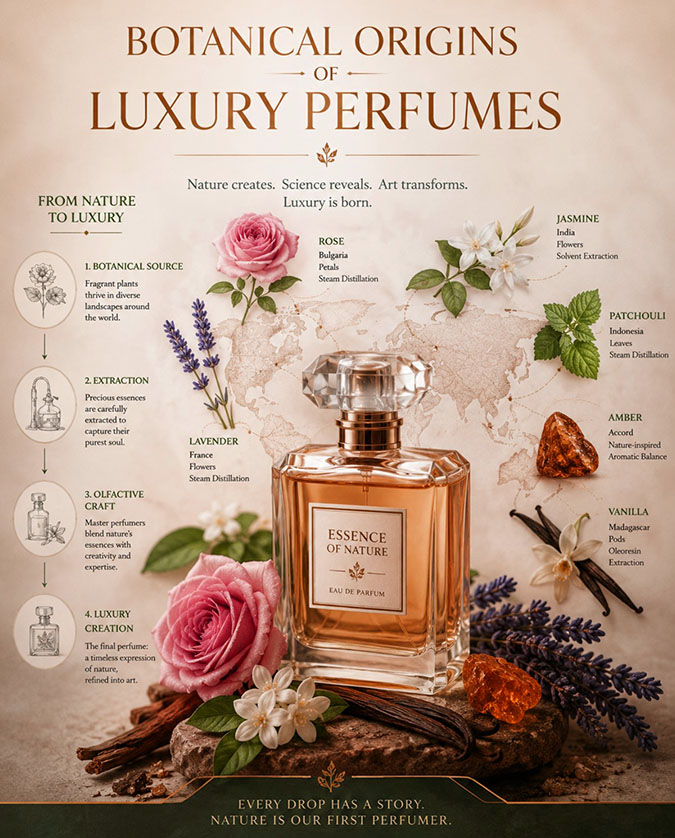
Botanical Origins of Luxury Perfumes: Rare Plants Worth Thousands per Ounce
Luxury perfume is more than a pleasant fragrance bottled in crystal glass. Behind many of the world’s most exclusive scents lies a hidden botanical treasure hunt involving rare flowers, exotic woods, delicate resins, and plants so difficult to cultivate that their extracts can cost more than gold by weight. Perfumers have spent centuries traveling across deserts, rainforests, mountain valleys, and tropical islands searching for extraordinary botanical ingredients capable of producing unforgettable aromas.
While synthetic chemistry dominates much of the modern fragrance industry, elite perfume houses continue to value rare natural ingredients because of their complexity and emotional depth. These botanical materials are harvested in small quantities, often requiring thousands of blossoms, years of aging, or labor-intensive extraction methods to produce just a few ounces of precious oil.
From the jasmine fields of India to the oud forests of Southeast Asia, the world of luxury perfumery reveals a fascinating relationship between nature, craftsmanship, and rarity.
Why Rare Botanicals Matter in Luxury Perfume
Natural botanical ingredients create fragrance layers that synthetic substitutes often struggle to replicate fully. A single flower may contain hundreds of aromatic molecules that evolve differently on human skin throughout the day. This complexity gives luxury perfumes their signature richness and longevity.
Scarcity also increases value. Some plants bloom only during short seasonal windows, while others require unique climates or decades of growth before they can be harvested. The difficulty of sourcing these materials contributes directly to the extraordinary price tags attached to premium perfumes.
Additionally, luxury brands market botanical rarity as a symbol of exclusivity. Consumers purchasing high-end fragrances are often seeking more than a scent; they want craftsmanship, heritage, and connection to exotic natural origins.
Oud: The Liquid Gold of Perfumery
Among the rarest and most expensive perfume ingredients in the world is oud, derived from agarwood trees infected by a specific type of mold. When the tree becomes infected, it produces a dark aromatic resin as a defense mechanism. This resin-infused wood is distilled into oud oil, one of the most valuable fragrance materials on Earth.
Oud possesses a deep, smoky, woody aroma with hints of leather, spice, and sweetness. Its scent profile is incredibly complex and varies depending on the region where the tree grows.
What makes oud so expensive is its rarity. Not every agarwood tree produces resin, and the natural formation process may take decades. High-quality oud oil can cost thousands of dollars per ounce due to limited supply and growing international demand.
Luxury fragrance houses often use oud as the centerpiece of exclusive collections aimed at collectors and elite consumers. Its warm, sensual profile has become especially popular in Middle Eastern and niche European perfumery.
Bulgarian Rose: The Queen of Floral Oils
The delicate Bulgarian rose, particularly the Rosa damascena variety, remains one of the most iconic flowers in luxury fragrance creation. Grown primarily in Bulgaria’s famous Rose Valley, these flowers are harvested by hand during early morning hours to preserve their aromatic oils.
Producing rose essential oil is remarkably labor intensive. It can take more than 10,000 freshly picked rose blossoms to create a tiny amount of pure rose otto. This immense flower-to-oil ratio explains why authentic rose oil commands premium prices in global markets.
The scent of Bulgarian rose is rich, romantic, slightly spicy, and intensely floral. Unlike synthetic rose notes, natural rose oil evolves beautifully over time, revealing honeyed, fruity, and green nuances.
Many legendary perfumes rely on Bulgarian rose as a core ingredient because it adds elegance, softness, and timeless sophistication to fragrance compositions.
Jasmine Sambac: The Night-Blooming Treasure
Jasmine Sambac is another botanical prized by master perfumers. Native to South and Southeast Asia, this flower blooms at night and releases its strongest fragrance after sunset.
Harvesting Jasmine Sambac requires extreme care because the flowers are fragile and lose their scent quickly after picking. Workers often gather blossoms by hand before dawn to preserve their aromatic quality.
The resulting oil delivers a sensual, creamy floral aroma with fruity and slightly animalic undertones. It adds warmth and seductive depth to luxury fragrances.
Because of its short blooming cycle and delicate handling requirements, high-quality jasmine extract can become extraordinarily expensive. Some premium perfumes use large concentrations of natural jasmine, significantly increasing production costs.
Orris Root: The Most Patient Ingredient
One of the most fascinating botanical ingredients in perfumery comes not from petals but from roots. Orris is derived from the rhizomes of iris plants, particularly Iris pallida.
What makes orris truly exceptional is the aging process. After harvesting, the roots must dry and mature for several years before developing their characteristic fragrance compounds. Only then can they be distilled or processed into the buttery substance known as orris butter.
The aroma of orris is powdery, earthy, creamy, and slightly violet-like. It adds luxurious softness and refinement to perfumes.
Due to the lengthy production timeline and low yield, orris butter ranks among the most expensive raw materials in the fragrance industry. Some varieties cost tens of thousands of dollars per kilogram.
Luxury perfume brands treasure orris because it acts both as a fragrance note and a natural fixative, helping scents last longer on the skin.
Sandalwood: Sacred Wood with Global Demand
True sandalwood, especially Indian sandalwood, has been treasured for centuries in spiritual rituals, traditional medicine, and perfumery.
Its warm, creamy, woody aroma creates a calming and meditative effect that blends beautifully with floral, spicy, and oriental fragrance accords. Sandalwood oil also possesses excellent fixative qualities, helping stabilize volatile perfume notes.
However, overharvesting and illegal logging severely reduced natural sandalwood populations, especially in India. Strict government regulations now control harvesting, contributing to soaring market prices.
Sustainable sandalwood plantations have emerged in countries such as Australia, but aged Indian sandalwood remains particularly coveted among luxury perfumers seeking superior depth and richness.
Vanilla: More Valuable Than Silver
Although vanilla is widely recognized as a flavor ingredient, natural vanilla absolute used in perfumery is surprisingly expensive. Vanilla orchids require hand pollination in many growing regions because natural pollinators are absent.
After pollination, vanilla beans undergo months of curing and drying to develop their signature aroma. This process demands considerable labor, precision, and patience.
In luxury perfumes, vanilla contributes creamy sweetness, warmth, and sensual comfort. High-grade vanilla absolute possesses smoky, leathery, and spicy nuances absent in cheaper synthetic versions.
Climate instability and agricultural challenges frequently disrupt vanilla production, causing dramatic price fluctuations in international markets.
The Art of Extraction
The extraordinary value of rare perfume botanicals is closely linked to extraction methods. Perfumers use several techniques to capture aromatic compounds while preserving delicate scent characteristics.
Steam distillation remains one of the oldest methods, particularly for woods and hardy flowers. Solvent extraction creates concentrated absolutes used for delicate blossoms like jasmine. Enfleurage, an ancient technique involving scented fats, is now rare but historically important.
Each method influences the final aroma profile and overall cost. Even slight variations in temperature, timing, or storage conditions can dramatically affect quality.
This meticulous craftsmanship transforms fragile plant material into concentrated aromatic masterpieces capable of lasting for years.
Sustainability and Ethical Sourcing
As demand for luxury fragrances grows, sustainability has become increasingly important. Overharvesting threatens certain botanical species, while climate change affects crop reliability and quality.
Responsible perfume houses now invest heavily in ethical sourcing programs, sustainable farming partnerships, and reforestation projects. Some brands support local communities that cultivate rare plants, ensuring traditional agricultural knowledge survives for future generations.
Biotechnology and green chemistry are also helping reduce pressure on endangered resources by creating sustainable alternatives that mimic rare natural aromas without harming ecosystems.
Still, authentic natural ingredients continue to hold unmatched prestige in luxury perfumery.
Nature’s Invisible Luxury
Luxury perfumes are ultimately bottled expressions of nature’s rarity and complexity. Behind every precious drop lies a story of geography, climate, craftsmanship, and patience. Whether sourced from night-blooming jasmine, ancient sandalwood forests, or resin-filled agarwood trees, these botanical ingredients connect modern fragrance lovers to centuries-old traditions of beauty and sensory artistry.
The next time you encounter an expensive perfume, its value may not simply reflect branding or packaging. It may represent thousands of handpicked flowers, years of aging, rare environmental conditions, and the remarkable journey of plants transformed into invisible luxury worth thousands per ounce.