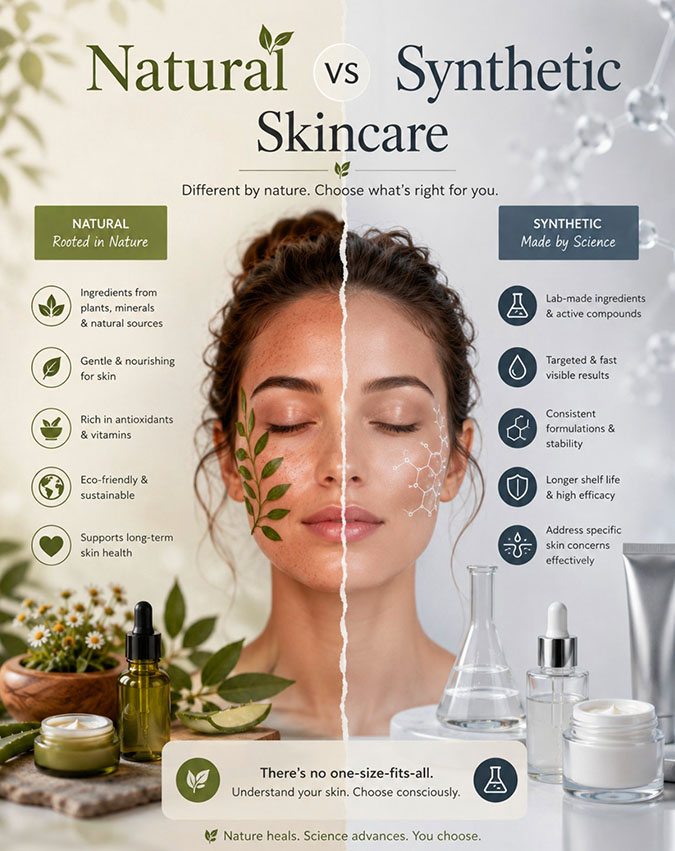
Natural vs Synthetic Skincare: Why Botanical Ingredients Dominate High-End Markets
The skincare industry has evolved into one of the most competitive and innovative sectors in the global beauty market. Consumers today are no longer satisfied with products that simply promise quick results. They want transparency, sustainability, and ingredients they can trust. As a result, botanical skincare has surged in popularity, especially within luxury and high-end beauty brands. From plant-based serums to herbal moisturizers, natural ingredients now dominate premium skincare shelves worldwide.
The debate between natural and synthetic skincare continues to shape consumer preferences. While synthetic ingredients have long been valued for consistency and scientific precision, botanical ingredients are increasingly associated with purity, wellness, and holistic beauty. High-end skincare companies recognize that modern consumers are seeking more than cosmetic improvement—they want an emotional and ethical connection with the products they use.
Understanding Natural Skincare
Natural skincare refers to products formulated primarily with ingredients derived from plants, minerals, or naturally occurring substances. These may include botanical oils, flower extracts, herbal infusions, fruit enzymes, algae, and essential oils. Popular examples include aloe vera, chamomile, green tea, rosehip oil, lavender, and calendula.
Luxury brands often source these ingredients from organic farms or environmentally sustainable suppliers. Many premium skincare companies highlight the origin of their ingredients, emphasizing rare botanicals harvested from specific regions around the world. This storytelling creates an aura of exclusivity that appeals strongly to affluent consumers.
Natural skincare products are also commonly associated with clean beauty standards. Consumers increasingly avoid parabens, sulfates, synthetic fragrances, and harsh preservatives. Instead, they seek formulas perceived as gentle and nourishing for sensitive skin.
What Defines Synthetic Skincare?
Synthetic skincare products contain ingredients created or modified in laboratories. These ingredients are designed to deliver targeted results, increase shelf stability, and maintain product consistency. Synthetic compounds can include peptides, silicones, artificial fragrances, preservatives, and laboratory-engineered active ingredients.
It is important to understand that “synthetic” does not necessarily mean harmful. In fact, many scientifically developed ingredients are highly effective and thoroughly tested for safety. Dermatologists often recommend synthetic actives such as retinoids, hyaluronic acid, and niacinamide because they can produce measurable improvements in skin texture and aging.
However, consumer perception often differs from scientific reality. Many buyers associate synthetic products with artificial chemicals and potential irritation, even when the products are safe and clinically proven. This perception has contributed significantly to the rise of botanical skincare in luxury markets.
Why Consumers Prefer Botanical Ingredients
One major reason botanical ingredients dominate premium skincare is emotional appeal. Consumers are naturally drawn to products that feel connected to nature. Packaging featuring leaves, flowers, and earthy tones creates a sense of calm, wellness, and purity.
Natural skincare also aligns with broader lifestyle trends such as organic food, sustainable living, and holistic wellness. High-income consumers often view skincare as part of a complete self-care experience rather than a simple cosmetic routine. Botanical products fit seamlessly into this lifestyle philosophy.
Another factor is the growing awareness of ingredient transparency. Modern consumers carefully read labels and research product contents before making purchases. Botanical ingredients are often easier to recognize and understand compared to complex chemical names. Seeing familiar ingredients like coconut oil or green tea extract increases consumer confidence.
Social media has amplified this movement even further. Influencers and beauty experts frequently promote natural skincare routines, emphasizing “clean” and “non-toxic” beauty. This has created strong consumer demand for botanical-based luxury products.
The Luxury Appeal of Rare Botanicals
High-end skincare brands have mastered the art of transforming natural ingredients into luxury experiences. Rare botanical extracts are marketed as precious, exotic, and scientifically refined. Ingredients such as orchid stem cells, sea fennel, saffron extract, and truffle enzymes are positioned as elite skincare solutions.
Scarcity increases perceived value. When a product contains a rare flower harvested only once a year or an oil extracted through labor-intensive methods, consumers are willing to pay premium prices. Luxury brands use this exclusivity to differentiate themselves in a crowded market.
Botanical ingredients also provide strong storytelling opportunities. A cream infused with ingredients from the Swiss Alps or the Moroccan desert feels more sophisticated than a standard laboratory formula. Consumers buying luxury skincare are often purchasing the story, heritage, and experience as much as the product itself.
Sustainability and Ethical Beauty
Environmental awareness has become a major purchasing factor in the beauty industry. Consumers increasingly support brands that prioritize sustainability, ethical sourcing, and eco-friendly packaging.
Botanical skincare brands often emphasize cruelty-free testing, biodegradable ingredients, recyclable packaging, and carbon-conscious production. These values resonate strongly with younger luxury consumers, especially Millennials and Generation Z.
Synthetic skincare brands can also adopt sustainable practices, but botanical products naturally align more closely with eco-conscious branding. The connection between plants and environmental responsibility feels intuitive to consumers.
Additionally, ethical sourcing initiatives create positive brand perception. Many luxury companies partner with farming communities around the world to source ingredients responsibly. This approach not only supports sustainability but also adds authenticity and social value to the brand narrative.
Scientific Innovation in Botanical Skincare
Contrary to the assumption that natural skincare lacks scientific credibility, modern botanical skincare combines nature with advanced cosmetic science. Luxury brands invest heavily in research to maximize the effectiveness of plant-based ingredients.
For example, cold-press extraction methods preserve nutrient potency, while biotechnology can enhance botanical actives for better skin absorption. Fermented plant extracts are increasingly used to improve bioavailability and skin compatibility.
Some luxury skincare laboratories now specialize in “green chemistry,” a scientific approach focused on creating environmentally friendly formulations. This innovation allows brands to deliver high-performance skincare while maintaining natural positioning.
As a result, botanical skincare is no longer viewed as less effective than synthetic alternatives. Instead, many consumers now see it as offering the best balance between science and wellness.
Challenges of Natural Skincare
Despite its popularity, natural skincare is not without limitations. Botanical ingredients can vary in quality depending on climate, harvesting conditions, and storage methods. This inconsistency may affect product performance.
Natural products may also have shorter shelf lives because they contain fewer synthetic preservatives. Essential oils and plant extracts can sometimes trigger allergic reactions in sensitive individuals.
Furthermore, not every natural ingredient is inherently safe. Poison ivy is natural, yet clearly unsuitable for skincare. Therefore, the assumption that natural always means better can be misleading.
Luxury brands address these concerns by combining rigorous testing with carefully controlled formulation processes. Premium botanical skincare products often undergo extensive safety and stability evaluations before reaching consumers.
Why High-End Markets Continue to Favor Botanicals
The dominance of botanical ingredients in luxury skincare ultimately reflects changing consumer values. Wealthy consumers increasingly prioritize wellness, sustainability, authenticity, and sensory experience. Botanical skincare satisfies all of these desires simultaneously.
Luxury skincare is no longer solely about anti-aging results. It is about creating rituals of relaxation and self-care. Botanical ingredients contribute natural aromas, textures, and visual appeal that enhance the emotional experience of skincare routines.
Additionally, premium consumers often seek products that reflect personal identity and ethical values. Natural skincare communicates sophistication, mindfulness, and environmental awareness—qualities strongly associated with modern luxury culture.
The ability of botanical brands to combine scientific innovation with nature-inspired branding gives them a unique advantage in high-end markets.
The Future of Botanical Skincare
The future of luxury skincare will likely involve even deeper integration between nature and science. Consumers are demanding products that deliver visible results without compromising sustainability or safety.
Emerging technologies such as plant stem cell research, bio-fermentation, and lab-grown botanical compounds are expected to shape the next generation of premium skincare products. Brands that successfully balance efficacy, transparency, and environmental responsibility will continue to dominate the luxury beauty space.
While synthetic ingredients will always play an important role in cosmetic science, botanical skincare has established itself as more than a passing trend. It represents a broader cultural shift toward conscious beauty and holistic wellness.
As consumer expectations continue to evolve, botanical ingredients are likely to remain at the center of high-end skincare innovation for years to come.