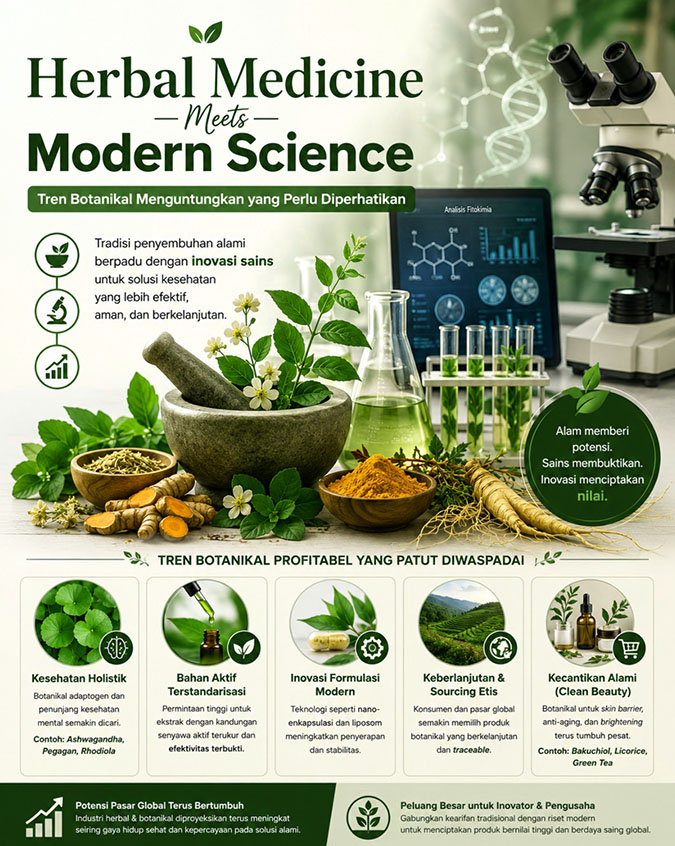
Herbal Medicine Meets Modern Science: Profitable Botanical Trends to Watch
For thousands of years, herbal medicine has played a central role in human health and wellness. Ancient civilizations in Asia, Africa, the Middle East, and Europe relied on medicinal plants long before synthetic pharmaceuticals existed. Today, modern science is rediscovering the therapeutic power of botanicals, creating a rapidly growing global industry that blends traditional knowledge with cutting-edge research.
Consumers are increasingly seeking natural remedies, plant-based supplements, and holistic wellness products. This shift has opened profitable opportunities for entrepreneurs, health brands, farmers, researchers, and investors. From adaptogenic herbs to sustainable botanical skincare, the herbal medicine market is evolving into one of the most promising sectors in modern wellness.
Here are the most profitable botanical trends shaping the future of herbal medicine and natural health.
The Rising Demand for Plant-Based Wellness
The global wellness industry has experienced explosive growth over the last decade. Consumers are becoming more conscious about what they put into their bodies, leading to higher demand for clean-label products and plant-derived ingredients.
People are now searching for alternatives to synthetic medications for issues such as stress, inflammation, fatigue, sleep disorders, and digestive health. This trend is especially popular among millennials and Gen Z consumers who prioritize sustainability, transparency, and preventive healthcare.
Herbal teas, tinctures, capsules, essential oils, and functional beverages are no longer niche products. They are becoming mainstream items found in supermarkets, pharmacies, and online marketplaces worldwide.
Modern scientific research is also validating many traditional herbal remedies. Clinical studies on turmeric, ginger, ashwagandha, ginseng, and echinacea have increased public trust in herbal medicine, helping botanical products gain wider acceptance in global markets.
Adaptogens: The Stress-Relief Superstars
One of the fastest-growing botanical trends is the rise of adaptogens. Adaptogenic herbs are believed to help the body resist physical, emotional, and environmental stress.
Popular adaptogens include:
- Ashwagandha
- Rhodiola rosea
- Holy basil
- Ginseng
- Schisandra berry
Consumers are increasingly dealing with stress-related issues caused by modern lifestyles, making adaptogens highly attractive in wellness products.
Ashwagandha, in particular, has become a dominant ingredient in supplements, functional drinks, gummies, and sleep formulas. Scientific studies suggest it may support stress reduction, mental clarity, and improved sleep quality.
The profitability of adaptogens lies in their versatility. They can be incorporated into:
- Functional coffee blends
- Protein powders
- Herbal teas
- Beauty supplements
- Sports nutrition products
- Nootropic formulations
Brands that combine traditional herbal wisdom with scientific branding are gaining significant market traction.
Functional Mushrooms Enter the Mainstream
Medicinal mushrooms are no longer limited to traditional Eastern medicine. Modern consumers are embracing mushrooms for cognitive performance, immunity, and energy support.
The most popular functional mushrooms include:
- Lion’s mane
- Reishi
- Cordyceps
- Chaga
- Turkey tail
Lion’s mane has gained massive popularity due to its association with brain health and focus enhancement. Meanwhile, reishi is marketed as a calming mushroom that supports relaxation and immunity.
Scientific research into mushroom compounds such as beta-glucans and polysaccharides has strengthened consumer confidence. As a result, mushroom-based products are appearing in:
- Coffee alternatives
- Wellness shots
- Capsules
- Energy drinks
- Chocolate bars
- Skincare products
The functional mushroom market represents a highly profitable opportunity because it appeals to both wellness enthusiasts and biohacking communities.
Herbal Skincare and Beauty Innovation
The beauty industry is experiencing a botanical revolution. Consumers are increasingly avoiding harsh chemicals and choosing plant-based skincare solutions instead.
Botanical ingredients such as aloe vera, calendula, chamomile, green tea, lavender, turmeric, and rosehip oil are becoming dominant in modern skincare formulations.
Modern science is helping brands isolate active plant compounds with proven benefits for:
- Anti-aging
- Hydration
- Acne reduction
- Skin repair
- Inflammation control
- UV protection
Herbal beauty products are especially profitable because consumers are willing to pay premium prices for clean, natural, and sustainable skincare.
The “beauty from within” trend is also driving demand for ingestible botanicals such as collagen blends mixed with herbal extracts and antioxidant-rich plants.
Brands that focus on organic sourcing, cruelty-free production, and eco-friendly packaging are particularly attractive to younger consumers.
CBD and Hemp-Derived Botanicals
The hemp and CBD market has transformed the botanical industry. Although regulations vary across countries, CBD products continue to gain popularity for wellness support.
Consumers use CBD-infused products for:
- Stress management
- Sleep support
- Recovery
- Pain relief
- Relaxation
CBD is now integrated into oils, gummies, beverages, skincare products, and even pet supplements.
Scientific research on cannabinoids continues to expand, increasing public interest and investor confidence. Entrepreneurs entering this market often combine CBD with other herbs such as chamomile, valerian root, or lavender for enhanced effects.
However, businesses must carefully monitor regulations because legal frameworks surrounding hemp-derived products continue to evolve globally.
Personalized Herbal Nutrition
Personalized wellness is becoming a major trend in modern healthcare. Consumers increasingly want supplements tailored to their unique health goals, genetics, and lifestyles.
This has created opportunities for personalized herbal medicine platforms that use:
- AI-driven wellness assessments
- DNA analysis
- Lifestyle questionnaires
- Microbiome testing
Instead of generic supplements, customers receive customized botanical blends designed for their specific needs.
For example, one consumer may receive a stress-support formula containing ashwagandha and lemon balm, while another receives an energy blend featuring ginseng and cordyceps.
This trend combines modern technology with ancient herbal traditions, creating a highly scalable and profitable business model.
Sustainable and Ethical Botanical Farming
Sustainability is becoming one of the most important factors in the herbal medicine industry. Consumers increasingly care about where herbs come from and how they are cultivated.
Ethical sourcing practices now influence purchasing decisions. Overharvesting of wild medicinal plants has raised concerns about environmental damage and biodiversity loss.
As a result, companies are investing in:
- Regenerative agriculture
- Organic farming
- Fair-trade sourcing
- Vertical farming systems
- Climate-resilient herbal cultivation
Sustainable farming not only protects ecosystems but also strengthens brand credibility.
Consumers are often willing to pay higher prices for products that support environmental responsibility and local farming communities.
Scientific Validation and Clinical Research
One of the biggest drivers of growth in herbal medicine is scientific validation. In the past, many herbal products relied mainly on traditional claims. Today, consumers expect evidence-based wellness solutions.
Universities, pharmaceutical companies, and biotechnology firms are increasingly studying medicinal plants to identify active compounds and therapeutic applications.
Research is expanding in areas such as:
- Anti-inflammatory herbs
- Neuroprotective botanicals
- Immune-support compounds
- Antioxidant-rich plants
- Gut-health herbs
Scientific backing helps herbal brands gain consumer trust and compete more effectively in mainstream healthcare markets.
Botanical companies that invest in clinical trials and transparent testing often stand out from competitors.
The Rise of Functional Beverages
Functional beverages are among the most profitable sectors in botanical wellness. Consumers are replacing sugary sodas with drinks that offer health benefits.
Popular botanical beverage categories include:
- Herbal sparkling waters
- Adaptogenic coffee alternatives
- Botanical energy drinks
- Sleep-support beverages
- Detox teas
- Mushroom coffees
These products are particularly attractive because they fit easily into daily routines.
Consumers enjoy the convenience of drinking wellness ingredients instead of taking multiple capsules or supplements.
Social media marketing has also accelerated the popularity of aesthetically branded botanical beverages among younger audiences.
Opportunities for Entrepreneurs and Investors
The herbal medicine industry offers opportunities across multiple sectors, including:
- Herbal supplement brands
- Organic farming
- Functional foods
- Cosmetic products
- E-commerce stores
- Wellness coaching
- Botanical extraction technology
- Nutraceutical manufacturing
Entrepreneurs who prioritize quality, transparency, and scientific credibility are more likely to succeed in this competitive market.
Educational content is also becoming a powerful marketing strategy. Consumers want to understand the science behind herbal ingredients before making purchases.
Brands that successfully combine storytelling, research, sustainability, and modern branding can build strong customer loyalty.
Conclusion
Herbal medicine is no longer viewed as an outdated alternative to conventional healthcare. Modern science is validating many traditional remedies, creating a powerful fusion between ancient wisdom and contemporary innovation.
From adaptogens and medicinal mushrooms to personalized herbal nutrition and botanical skincare, the industry is evolving rapidly. Consumers are increasingly seeking natural, sustainable, and scientifically supported wellness solutions.
As awareness continues to grow, the botanical market is expected to expand even further in the coming years. Businesses that embrace research, ethical sourcing, and product innovation will be well-positioned to thrive in this profitable and transformative industry.
The future of wellness may very well be rooted in plants — supported by science and driven by consumer demand.