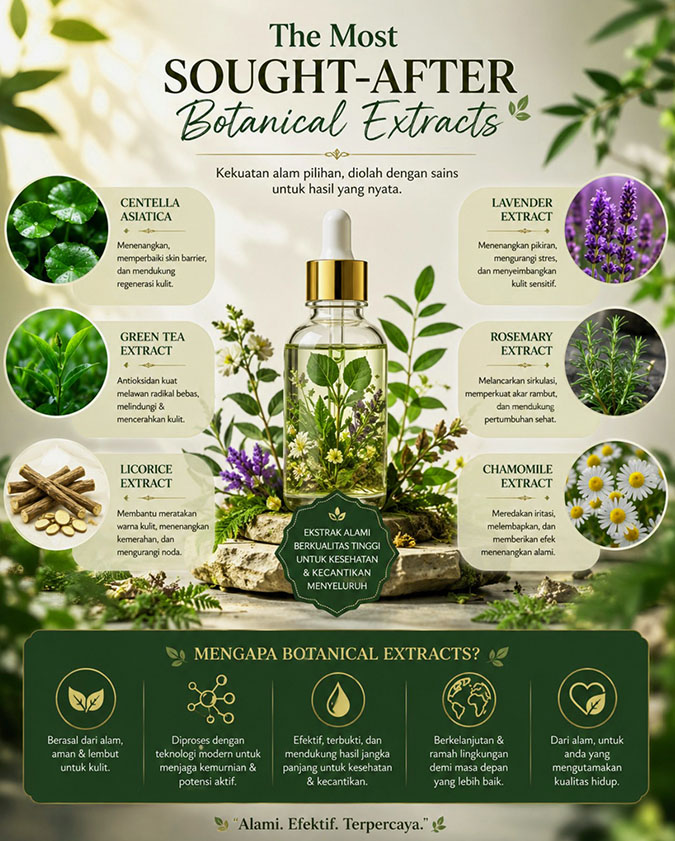
The Most Sought-After Botanical Extracts in the Supplement Industry Today
The global supplement industry has experienced explosive growth over the last decade, fueled by increasing consumer awareness about preventive health, natural wellness, and plant-based nutrition. Among the most influential trends shaping the market today is the rising demand for botanical extracts. Consumers are no longer satisfied with synthetic ingredients alone; they are actively searching for supplements derived from herbs, roots, fruits, mushrooms, and medicinal plants with scientifically supported benefits.
Botanical extracts are concentrated compounds taken from plants through specialized extraction processes designed to preserve beneficial nutrients, antioxidants, and bioactive substances. These extracts are widely used in dietary supplements because they provide potent health benefits in smaller doses compared to raw plant materials. From stress management to immune support and cognitive enhancement, botanical ingredients are now central to many modern wellness formulations.
Here are the most sought-after botanical extracts dominating the supplement industry today and the reasons behind their remarkable popularity.
Ashwagandha: The King of Adaptogens
Ashwagandha has become one of the most popular botanical extracts in the wellness world. Traditionally used in Ayurvedic medicine for centuries, this adaptogenic herb is highly valued for its ability to help the body cope with stress and anxiety.
Modern consumers face increasing mental pressure, burnout, and sleep disturbances, making stress-support supplements more relevant than ever. Ashwagandha extract is commonly included in capsules, powders, gummies, and functional beverages designed to promote relaxation and emotional balance.
Research suggests that ashwagandha may help reduce cortisol levels, improve sleep quality, and support physical endurance. Its growing popularity also stems from its versatility. Fitness enthusiasts use it for recovery and performance, while office workers seek it for stress management and mental clarity.
Because consumers increasingly prioritize mental wellness, ashwagandha continues to dominate supplement shelves worldwide.
Turmeric Extract: Nature’s Anti-Inflammatory Powerhouse
Turmeric extract, especially standardized curcumin, remains one of the most demanded botanical ingredients in the supplement industry. Curcumin is the active compound responsible for turmeric’s vibrant yellow color and powerful anti-inflammatory properties.
Chronic inflammation is linked to numerous health concerns, including joint discomfort, cardiovascular disease, and metabolic disorders. As a result, consumers are turning to natural anti-inflammatory supplements as preventive health tools.
Turmeric supplements are especially popular among aging populations seeking joint support and mobility enhancement. Athletes and physically active individuals also rely on turmeric extract to aid recovery after exercise.
One reason turmeric remains highly sought-after is the increasing scientific validation surrounding its benefits. Manufacturers now combine curcumin with black pepper extract (piperine) or advanced delivery technologies to improve absorption, making formulations more effective and appealing to health-conscious buyers.
Lion’s Mane Mushroom: Cognitive Health Superstar
The popularity of mushroom-based supplements has surged dramatically, with Lion’s Mane leading the trend. This unique medicinal mushroom is widely associated with brain health, focus, memory, and cognitive performance.
As consumers search for natural alternatives to support productivity and mental sharpness, Lion’s Mane has become a staple ingredient in nootropic supplements. Students, entrepreneurs, gamers, and professionals alike are increasingly attracted to products promising enhanced concentration and cognitive resilience.
Lion’s Mane contains compounds known as hericenones and erinacines, which may support nerve growth factor production in the brain. This connection to neurological health has significantly boosted consumer interest.
Beyond capsules, Lion’s Mane now appears in coffee blends, teas, protein powders, and wellness drinks. The rise of functional mushrooms as a category has transformed Lion’s Mane into one of the fastest-growing botanical extracts in the supplement market.
Green Tea Extract: Metabolism and Antioxidant Support
Green tea extract continues to hold a strong position in the supplement industry due to its association with weight management and antioxidant protection. Rich in catechins such as EGCG (epigallocatechin gallate), green tea extract is frequently used in metabolism-support formulas.
Consumers increasingly seek natural energy and fat-burning solutions instead of stimulant-heavy products. Green tea extract provides a balanced approach by offering mild caffeine alongside powerful antioxidants.
The ingredient is also valued for its potential cardiovascular and cellular health benefits. Because modern consumers are becoming more proactive about long-term wellness, antioxidant-rich botanical extracts like green tea remain highly attractive.
Additionally, green tea aligns perfectly with clean-label trends. Many buyers perceive it as a familiar, trusted, and naturally sourced ingredient, making it easier for brands to market successfully.
Elderberry Extract: Immune Support Favorite
Immune health became a major consumer priority in recent years, and elderberry extract emerged as one of the leading botanical ingredients in this category. Derived from the dark berries of the Sambucus plant, elderberry is rich in anthocyanins and antioxidants.
Consumers are drawn to elderberry supplements because they are associated with immune defense and seasonal wellness support. Syrups, gummies, lozenges, and capsules containing elderberry became especially popular among families seeking natural health products.
The botanical’s appeal also lies in its pleasant flavor profile compared to many herbal ingredients. This makes elderberry ideal for functional foods and children’s wellness products.
As immune-support supplements continue to maintain strong demand globally, elderberry extract remains a cornerstone ingredient for supplement manufacturers.
Ginseng: Ancient Herb with Modern Appeal
Ginseng has been valued in traditional medicine systems for centuries, but it remains highly relevant in today’s supplement industry. Both Asian ginseng and American ginseng are commonly used in energy, vitality, and cognitive-support formulas.
Modern lifestyles often involve fatigue, lack of sleep, and constant mental pressure. Ginseng appeals to consumers looking for natural ways to maintain stamina and physical resilience without relying entirely on caffeine.
Its adaptogenic properties make it particularly attractive in stress-management supplements. Additionally, ginseng is widely marketed for healthy aging, sexual wellness, and immune support.
The global recognition of traditional herbal medicine has further elevated ginseng’s reputation. Consumers increasingly appreciate ingredients with long histories of use combined with emerging scientific validation.
Milk Thistle Extract: Liver Health Champion
Milk thistle extract has become one of the most recognized botanical ingredients for liver support. The active compound, silymarin, is known for its antioxidant and protective properties.
Growing awareness about liver health has contributed significantly to milk thistle’s popularity. Modern diets, alcohol consumption, environmental toxins, and processed foods have led many consumers to seek detox and liver-support supplements.
Unlike short-lived wellness trends, liver health continues to attract sustained interest because it is closely connected to overall metabolic function and vitality.
Milk thistle is frequently combined with dandelion root, artichoke extract, and turmeric in detox formulations. The ingredient’s long-standing reputation in herbal medicine gives consumers additional confidence in its effectiveness.
Rhodiola Rosea: The Fatigue-Fighting Adaptogen
Rhodiola rosea is another adaptogenic botanical rapidly gaining traction in the supplement market. Traditionally used in cold mountainous regions of Europe and Asia, rhodiola is known for supporting energy, endurance, and mental performance.
Consumers seeking natural ways to combat fatigue and burnout are increasingly turning to rhodiola supplements. It is especially popular among professionals, athletes, and individuals dealing with demanding schedules.
Rhodiola’s appeal lies in its balanced benefits. Unlike strong stimulants that can lead to crashes, rhodiola is often promoted as providing sustainable energy and resilience.
As workplace stress and mental exhaustion continue to rise globally, the demand for adaptogenic herbs like rhodiola is expected to expand further.
Why Botanical Extracts Continue to Dominate
Several major trends explain why botanical extracts are thriving in the supplement industry today.
First, consumers increasingly prefer natural and plant-based wellness solutions. People are becoming more cautious about synthetic ingredients and are seeking products perceived as cleaner and safer.
Second, scientific research on herbal compounds has expanded significantly. Clinical studies and standardized extracts have helped build credibility around many botanical ingredients.
Third, personalized wellness trends are encouraging consumers to choose supplements tailored to specific goals such as sleep support, immunity, focus, digestion, or stress relief. Botanical extracts fit perfectly into this targeted approach.
Finally, social media and digital wellness communities have accelerated awareness about herbal supplements. Influencers, health experts, and wellness brands frequently highlight botanical ingredients, contributing to their rapid popularity.
The Future of Botanical Supplements
The future of botanical extracts in the supplement industry looks exceptionally promising. As consumers continue prioritizing preventive health and holistic wellness, demand for scientifically backed plant ingredients will likely grow even stronger.
Innovation is also driving the market forward. Companies are developing advanced extraction technologies, cleaner sourcing methods, and sustainable cultivation practices to improve quality and potency.
Additionally, emerging botanical ingredients from traditional medicine systems worldwide are entering mainstream markets. Herbs once considered niche are now becoming globally recognized wellness products.
In the years ahead, consumers will likely continue favoring supplements that combine ancient botanical wisdom with modern scientific validation. This fusion of tradition and innovation is precisely what makes botanical extracts some of the most sought-after ingredients in the supplement industry today.